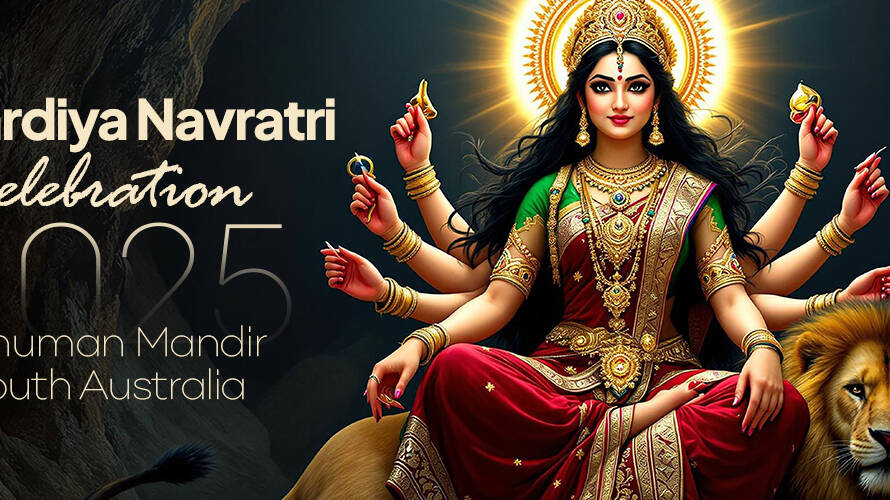
Karwa Chauth is a Hindu fest which is celebrated by married women, to help their husbands live long, stay healthy and happy. This holy event is a symbol of love, faith, trustworthiness and resilience of marital affairs. Women take a fast that is more a traditional one, conduct religious ceremonies and pray to Goddess Parvati, Lord Shiva and Lord Ganesha.
A knowledge on the proper Karwa Chauth Pooja Vidhi can make the devotees take part in the rituals with conviction and honesty. Every practice, whether it is the morning Sargi preparation, or offering prayers to the moon, has both spiritual and cultural implications.
Hanuman Mandir South Australia urges devotees to observe the Hindus Heritage and practice religious festivals piously. It is possible to help families in the Adelaide region and beyond to keep touch with the Indian culture by means of traditional prayers and community celebrations.
Significance of Karwa Chauth in Hindu Tradition
Karwa Chauth is a festival as reflected in the Karwa Chauth Day, celebrated on Krishna Paksha Chaturthi in the Hindu calendar of Kartik. The festival particularly is popular in the northern part of India, Punjab, Haryana, Rajasthan and Uttar Pradesh.
The married women practice the fast, commonly performed between the sunrise and the moonrise to get Godly blessings that their husbands will be well. Patience, commitment, mutual respect and family togetherness are also symbolises of the festival.
Karwa Chauth has its religious significance based on ancient narrations related to goddess Parvati and devotious married women. These tales bring into light the importance of true prayers and unremitting faith.
To the Hindu families residing in Australia, this festival is a chance to transmit the traditional values and religious-belief knowledge to the new younger generations.
Essential Items Required for Karwa Chauth Pooja
The devotees must prepare the worship materials before commencing the Karwa Chauth Pooja Vidhi. The ceremony will take place peacefully without any unnecessary interruptions that will be caused by negligence in their preparation.
Pooja materials comprise decorated thali, earthen Karwa pot, diya, cotton wicks, roli, kumkum, rice grains, flowers, incense sticks, fruits, sweets and clean water which are traditional pooja materials.
Devotees can also organize the images or statues of Goddess Parvati, Lord Shiva and Lord Ganesha. The evening rituals need the use of a sieve, vessel of water, and offerings to the moon.
Females wear vibrant sarees or suits and also have bangles, sindoor, bindis and mehendi. Such decorations depict the centrality and essence of wedlock.
Begin the Day with Sargi Before Sunrise
The first notable tradition is Sargi, a traditional meal made or given by the mother-in-law preferably pre-dawn.
Generally, Sargi consists of fruits, dry fruits and sweets, traditional dishes and water. The meal taken by women before sunrise is to prepare them before the fasting period.
Once Sargi is done, adherents start their religious practice and pay prayers and well wishes. The fast is traditional up to the evening when the moon comes.
Most women engage in fasting, although some do not consume food and/or water, it can vary depending on family customs and health conditions.
Pregnant women, breastfeeding women, those on medication or those with health complications are advised to seek medical guidance first before venturing into extended fasting.
Take a Sankalp for the Karwa Chauth Fast
The evident phase of the Karwa Chauth Pooja Vidhi is taking a Sankalp or religious vow.
Once having taken a bath and put on some clean traditional cloths women sit somewhere quiet and pray to the deities.
At Sankalp, the devotees declare their purpose of keeping a fast to bring happiness to the marital life, the prosperity of the family and the well-being of their husbands.
The prayer should be performed with concentration, sincerity, and gratitude. There are also those women who recite devotional mantras or sing common Hindu mantras.
This ritual determines the spiritual aim of the day and preconditions the devotees with the evening worshipping ceremony.
Prepare the Pooja Area and Decorate the Thali
Cleaning and decorating the marked out prayer hall marks the initiation of the evening worship.
The images or idols of the deities can be arranged on a small platform taking a clean cloth. There are flowers, lamps and traditional decorations providing a tranquil environment.
One ought to have a pooja thali with a diya, kumkum, rice grains, sweets, flowers, and others.
The Karwa pot is a traditionally filled pot with water, which is set near the area of worship. There can be a slight variation in various communities on how it is decorated and used.
The readiness of worship materials prior to ceremony simplifies the ceremony especially to joint prayers by a group of women.
Worship Goddess Parvati, Lord Shiva, and Lord Ganesha
The third aspect of Karwa Chauth Pooja Vidhi is the offering of prayer to the deity Parvati, Shiva and Ganesha.
The followers start with the lighting of the diya and the giving of flowers, rice grains and kumkum. Lord Ganesha is adored as the remover of all problems, whereas Goddess Parvati and Lord Shiva are the denizens of marital harmony between divine archetypes.
The women declare blessings on their married life: happiness, comprehension, good health, and steadiness.
The customary prayers might involve the chanting of names of the deities and invoking blessings on the whole family.
The order of the offerings may differ in different households so an elders advice or the advice of the temple priests may prove useful.
Listen to the Traditional Karwa Chauth Vrat Katha
Hearing the Karwa Chauth Vrat Katha is a significant element of evening church service.
There is one popular story of Queen Veeravati, who accidentally broke their fast before sun actually set by the moon light as they were tricked by an artificial light. The moral of the story is that one should be patient, devotional and do what his religion prescribes.
Women come together as a tradition of listening to the story holding decorated pooja thalis.
Some communities are known to swap or rotate their thalis during the narration. This practice symbolizes a common goodwill and bonding among women in marriage.
At the Vrat Katha, younger generations get to know about the spiritual meaning of the festival and about the cultural background.
Perform Aarti and Offer Prayers
Upon completion of Vrat Katha, devotees do aarti in the presence of deities.
When performing devotional prayers, a lighted diya is softly walked in circles. Flower and sweets can be served at the ceremony as well.
Females want to be blessed with peaceful family relationships, happiness and prosperity.
This marks the end of the primary evening service, but the customary fast is carried through to the moon-sighting ceremony.
Offer Arghya to the Moon After Moonrise
One of the most vital steps of the Karwa Chauth Pooja Vidhi is the moon worship.
When the moon is finally seen, the women carry their decorated thalis, water pots and sieves to some suitable out-of-doors location.
Believers face the moon and pray with the Arghya when pouring the water as an offering of the sacredness of the moon. The prayers are said with a request of blessings on marriage and family prosperity.
It is popular that women observe the moon with a sieve and then observe their husbands with the same sieve.
The ritual is a representation of devotion, giving of thanks, and the end of the religious day.
Families celebrating Karwa Chauth at South Australia ought to observe the suitable local moon rise time than the timings that would be printed in India.
Complete the Fast with Water and Food
Women break their fast after giving Arghya.
In most families, the husband gives the water first and a small amount of food to the wife. This gesture symbolizes love, friendship, and support.
The believers can then eat together as a family signifying the successful accomplishment of the ceremony.
The body can rejuvenate itself through the gradual intake of water after extended periods of starvation, and eating a meal with a comfortable choice.
Fasting is usually followed by the end of the fast with thanksgiving and family reunions in which elders give blessings.
Celebrate Karwa Chauth at Hanuman Mandir South Australia
Hanuman Mandir South Australia is a significant religious and cultural centre of Hindu families in Adelaide and environs.
The temple offers the devotees a chance to engage in religious prayers, traditional festivals, and community services.
The traditions Karwa Chauth enable married women to associate themselves with Hindu traditions besides having significant spiritual moments with fellow families.
The followers, who are concerned with the temple rituals, can get in touch with Hanuman Mandir South Australia to know more on the next upcoming festivals, prayer timings, and the participation of the festival.
These types of community celebrations aid in safeguarding the traditional approach to religion, and also consolidate the cultural bonds between Indian families residing in foreign countries.